
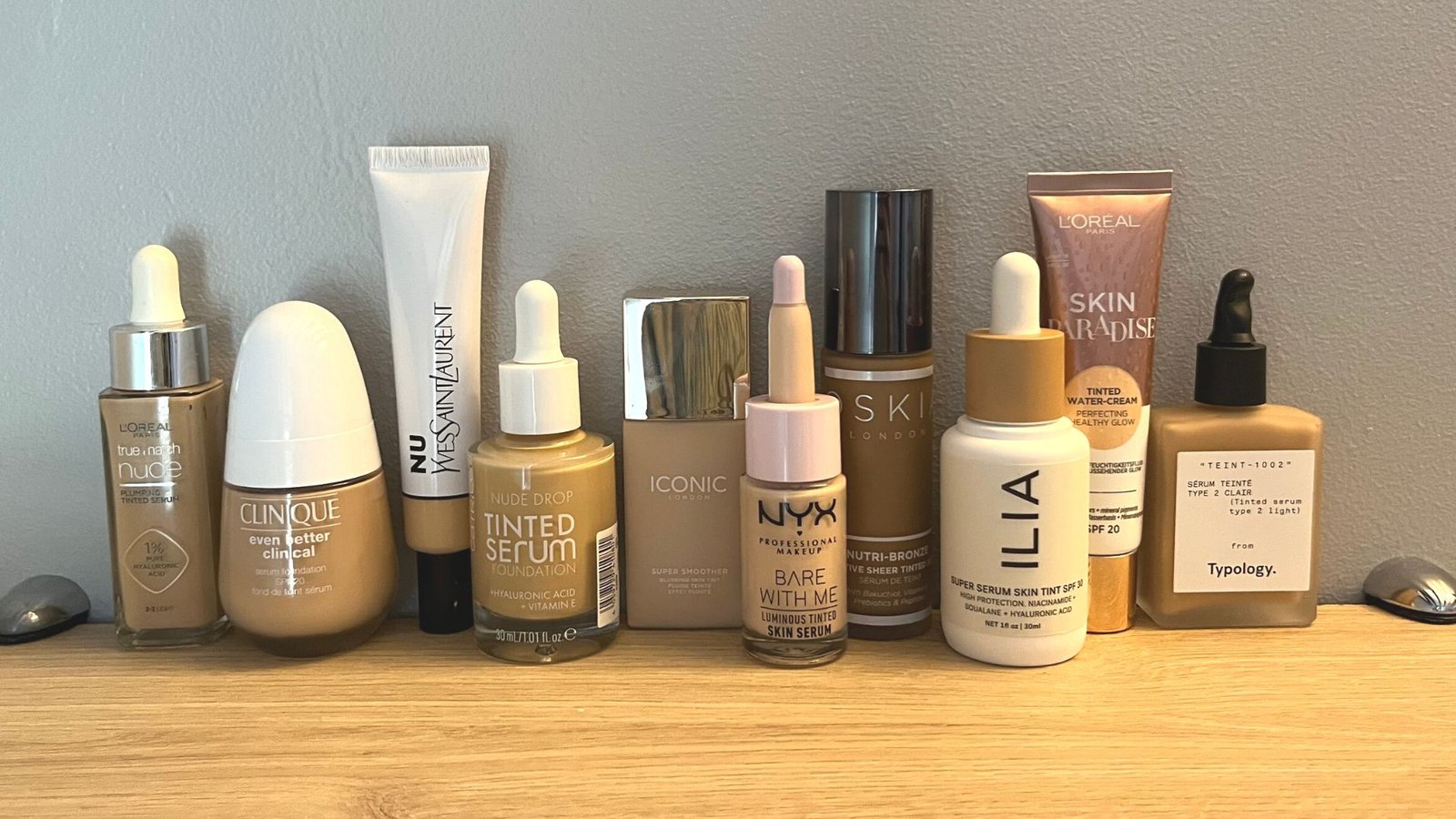
Serum foundations are lightweight, fluid formulas that merge the coverage of traditional foundation with the nourishing benefits of a facial serum. They typically contain active ingredients like hyaluronic acid, niacinamide, peptides, or squalane that hydrate, brighten, and improve skin texture over time.
Unlike heavier bases, they melt into the skin rather than sit on top. This creates a seamless, natural finish that’s buildable from sheer to medium coverage. Many include SPF or antioxidants, making them ideal for everyday wear without feeling like “makeup.”
Why Serum Foundations Feel Closer to Real Skin Than Traditional Ones
Traditional foundations often rely on higher pigment loads and silicones for coverage, which can create a barrier on the skin. Serum foundations flip that script with thinner, water- or oil-based textures that let your natural texture show through while blurring imperfections subtly.
The result is breathable coverage that moves with your face—no cracking or settling into pores. I’ve noticed my skin looks fresher at the end of the day instead of tired and flat. It’s especially forgiving on mature or textured skin, where heavy formulas highlight dryness or lines.
Pros and cons highlight the difference clearly.
Pros of Serum Foundations
- Feels weightless and hydrating
- Natural, skin-like finish
- Often includes skincare benefits (hydration, brightening)
- Less likely to clog pores
- Buildable without heaviness
Cons of Serum Foundations
- Less coverage for severe discoloration
- May require setting powder for oily skin
- Can oxidize slightly on some complexions
- Higher price point for premium options
How Serum Foundations Compare to Traditional Foundations
Traditional foundations prioritize long wear and high coverage, often with matte or satin finishes. Serum versions lean toward glowy, dewy results with skincare perks.
Here’s a quick side-by-side.
| Aspect | Serum Foundations | Traditional Foundations |
|---|---|---|
| Texture | Ultra-fluid, serum-like | Thicker liquid or cream |
| Coverage | Sheer to medium, buildable | Light to full |
| Finish | Natural, radiant, skin-like | Matte, satin, or dewy (varies) |
| Skin Benefits | Hydration, actives (HA, niacinamide) | Mostly pigment-focused |
| Breathability | High—skin breathes | Lower—can feel occlusive |
| Best For | Everyday natural looks, dry/mature skin | High-coverage needs, oily skin |
Serum foundations win for that undetectable vibe, while traditional ones excel when you need to cover more.
Top Serum Foundations Worth Trying in 2026
These stand out based on recent reviews, editor tests, and real-user feedback for their skin-like results.
ILIA True Skin Serum Foundation This clean beauty favorite delivers medium coverage with niacinamide and allantoin to smooth and soothe. It melts in for a velvety, radiant finish that never clings to dry patches. I reach for it on low-effort days—my skin looks even and healthy without trying.
Chanel Sublimage L’Essence de Teint A luxe pick for mature skin, this revitalizing formula hydrates deeply while blurring lines. The lightweight texture gives a luminous glow that’s subtle yet polished. It’s pricey, but the “lit-from-within” effect feels worth it.
Outside—In Silk Serum Foundation This self-setting gem offers breathable coverage with a natural radiant finish. It stays refined all day without feeling heavy. Editors praise its innovative texture for looking refined yet effortless.
L’Oréal Paris True Match Nude Hyaluronic Tinted Serum A budget-friendly drugstore hero with hyaluronic acid for plumpness. It provides sheer-to-medium coverage and a dewy glow. Great for beginners—affordable and forgiving.
Estée Lauder Futurist SkinTint Serum Foundation Ideal for dry skin, this SPF-infused option hydrates while evening tone. The finish is fresh and natural, perfect for winter when skin needs extra moisture.
Other notables include Ilia Super Serum Skin Tint (SPF 40, fragrance-free) and Chanel N°1 de Chanel Revitalizing Foundation for that premium glow.
Application Tips for the Most Natural Finish
Start with hydrated skin—use a lightweight moisturizer or serum underneath. Apply with fingers or a damp sponge for seamless blending. Build in thin layers where needed. Set lightly with translucent powder if you’re oily.
Avoid over-applying; less is more for that real-skin illusion. I like mixing a drop with my moisturizer for ultra-sheer days.
Who Should Switch to Serum Foundations?
If you crave a no-makeup makeup look, have dry or mature skin, or want products that multitask as skincare, these are game-changers. They’re less ideal for very oily skin needing heavy mattifying coverage or major redness/acne concealment.
People Also Ask (Common Google Questions)
What is the difference between serum foundation and skin tint? Serum foundations offer more buildable coverage and skincare actives than sheer skin tints, while still feeling lightweight.
Do serum foundations work for mature skin? Yes—many hydrate and blur lines without settling, making them ideal for older complexions.
Are serum foundations good for oily skin? They can be, especially mattifying or long-wear versions, but pair with powder for shine control.
How long do serum foundations last on the skin? Most wear 6–10 hours with good staying power, though reapplication may help in humid conditions.
Can serum foundations replace regular foundation? For natural looks, absolutely. For full coverage, layer or use concealer on spots.
FAQ: Your Serum Foundation Questions Answered
Is serum foundation better than traditional foundation? It depends on your needs. Serum versions feel more natural and skin-friendly, while traditional ones provide stronger coverage and longevity.
What’s the best serum foundation for dry skin? Estée Lauder Futurist or ILIA True Skin—both hydrate deeply without emphasizing flakes.
Do serum foundations have SPF? Many do, like Ilia Super Serum Skin Tint SPF 40 or some Estée Lauder options. Always check labels.
How do I choose the right shade? Test on jawline in natural light. Brands like ILIA and The Ordinary offer wide ranges with undertone guides.
Can I wear serum foundation every day? Definitely—it’s designed for daily use, nourishing skin while providing coverage.
Serum foundations aren’t just a trend; they’ve become my go-to for looking put-together without the effort. They remind me that sometimes the best makeup enhances what you already have, not hides it. If you’ve been stuck in heavy foundations, give one a try—you might never go back. What’s your favorite skin-like base? Share below!



Leave a Reply