
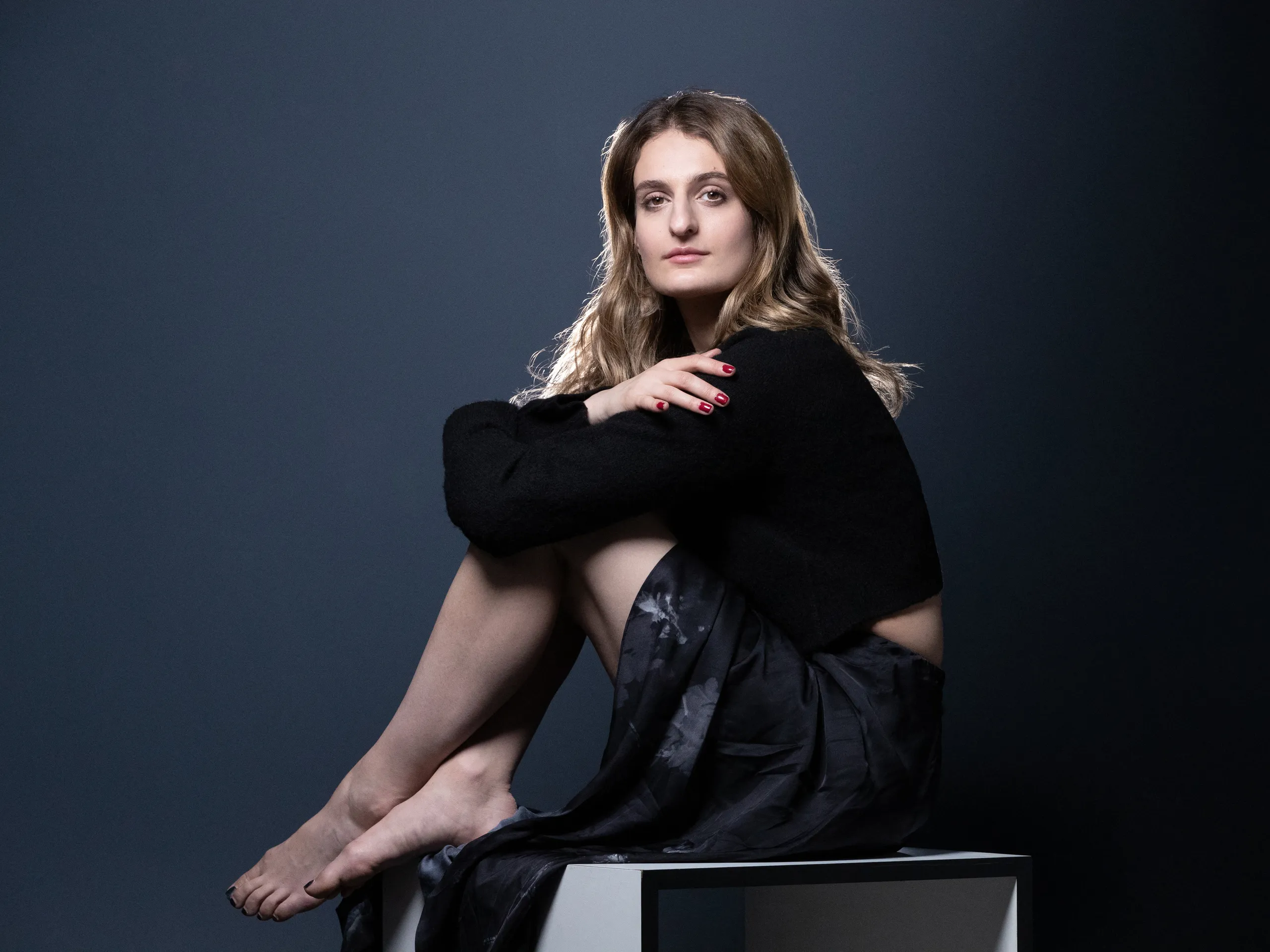
Papadakis and Cizeron were one of figure skating’s most celebrated duos, blending technical precision with artistic depth.
They won Olympic gold in Beijing 2022, silver in PyeongChang 2018, five World titles, five straight European crowns, and multiple Grand Prix Finals. Their programs felt effortless, almost poetic. Yet Papadakis reveals the off-ice reality was far from harmonious.
In interviews and her book, she describes feeling “under his grip,” with Cizeron often coming across as controlling, demanding, and critical. She reached a point where she refused to practice alone with him, insisting a coach be present. Even couples therapy couldn’t bridge the gap. By the end, she feared being alone with him. It’s heartbreaking to think about—two athletes at the peak of their powers, yet one felt trapped.
How the Partnership Began and Why It Lasted So Long
They teamed up as kids in France, trained under her mother Catherine Papadakis initially, then moved to the Ice Academy of Montreal.
The partnership thrived on intense dedication. They pushed boundaries, broke records, and became synonymous with excellence in ice dance. But that closeness bred imbalance. Papadakis has spoken about gradually losing self-confidence, feeling excluded from decisions by both her partner and early coaches.
The sport demands total commitment—years of shared travel, training, and pressure. When one person dominates, it can feel suffocating. I remember watching their 2022 free dance and thinking how in sync they were; now knowing the backstory adds a layer of sadness.
The Breaking Point and Retirement Announcement
After Beijing gold, they took a break but considered returning for Milano Cortina 2026.
They tried therapy to salvage the partnership. Cizeron later said he worried about her mental health for years, describing her as going through depression and turmoil. But Papadakis felt the environment turned toxic. She couldn’t tolerate it anymore. In late 2024, Cizeron messaged her that he wanted to compete again—with someone else. The partnership ended officially on December 3, 2024. She calls it being “pushed out” rather than choosing retirement. “When the choice is between your safety and even life, it’s not ‘I chose to retire,'” she told Vogue. Physically and mentally exhausted, she left to protect herself.
The Memoir That Sparked Controversy
Her book, released in January 2025, details systemic issues in ice dance—power imbalances, silence around abuse, and pressure on women athletes.
She didn’t set out to write an exposé; an editor approached her post-retirement about sharing her story. It became a platform for reclaiming her voice. Excerpts described the unbalanced dynamic, leading to public backlash.
Cizeron called it a “smear campaign,” denied the allegations, and pursued legal action with a cease-and-desist. He emphasized mutual respect and equal collaboration over 20 years, saying their bond eroded gradually due to differing values.
Losing the NBC Commentary Role
Papadakis was set to commentate ice dance for NBC at the 2026 Olympics alongside Johnny Weir.
But after the book’s release and Cizeron’s response, NBC pulled her, citing a conflict of interest since he was competing with new partner Laurence Fournier Beaudry (who won gold there). She cried a lot over it, feeling injustice. “Survivors are punished for speaking out,” she said, highlighting how speaking up cost her a new career phase. Cizeron and his partner took gold, while she stepped back from social media with a simple “logging off” post.
Broader Implications for Figure Skating
This isn’t isolated. Ice dance partnerships require intense emotional intimacy without romance, which can blur lines and enable control.
Papadakis hopes her story sparks change—safer environments, better support for mental health, less tolerance for imbalance. She doesn’t position herself solely as a victim but as someone using her platform to protect future athletes.
Key Challenges in Ice Dance Partnerships
- Extreme closeness over decades
- Power dynamics in training and decisions
- Mental health pressures from competition
- Difficulty exiting without career fallout
Pros of Speaking Out (from Papadakis’s View)
- Reclaims personal narrative
- Highlights systemic issues
- Inspires safer sport culture
Cons and Risks
- Legal threats and public denial
- Loss of professional opportunities
- Emotional toll and backlash
Comparison: Papadakis/Cizeron vs. Other Famous Ice Dance Splits
Many teams end due to burnout or new goals, but few involve public allegations of toxicity.
| Duo | Reason for Split | Aftermath | Public Disclosure Level |
|---|---|---|---|
| Papadakis/Cizeron | Alleged control, imbalance | Memoir, legal response, lost job | High (book, interviews) |
| Virtue/Moir (Canada) | Natural evolution, retirement | Remained friends, collaborative | Low |
| Chock/Bates (USA) | Ongoing success | N/A (still competing) | N/A |
| Papadakis/Cizeron Post-Split | Cizeron new partner & gold | Controversy during 2026 Olympics | Very high |
Their story stands out for its raw honesty and repercussions.
People Also Ask (Common Google Questions)
Why did Gabriella Papadakis and Guillaume Cizeron break up? The partnership ended due to an unbalanced dynamic; she cited control and criticism, while he described emotional distance and differing values.
What did Gabriella Papadakis say about Guillaume Cizeron in her book? She described him as often controlling, demanding, and critical, leading her to fear practicing alone with him.
Did Gabriella Papadakis retire or was she forced out? She says she was pushed out to protect her safety and mental health, not a voluntary choice.
Why was Gabriella Papadakis removed from NBC Olympics coverage? NBC cited a conflict of interest after her memoir’s allegations, amid Cizeron’s legal notice while he competed.
Has Guillaume Cizeron responded to the allegations? Yes—he denied them, called it a smear campaign, and pursued legal steps.
FAQ: Clearing Up Common Questions
Was Gabriella Papadakis and Guillaume Cizeron ever romantically involved? No—they were professional partners only, starting as children.
What is Gabriella Papadakis doing now after retirement? She’s focusing on healing, advocacy for safer sports, and sharing her story despite setbacks.
Did the allegations affect Cizeron’s 2026 Olympic performance? He and his new partner won gold amid the controversy.
Is her book available in English? Currently in French; English translation details may follow given interest.
How can the sport improve based on her experience? Better mental health support, balanced power dynamics, and protection for those who speak up.
Stories like this remind me how much pressure elite athletes carry—glamour on TV hides real pain. Papadakis’s courage in speaking out, even at personal cost, might help shift the culture. It’s not easy, but it’s necessary. If you’ve followed figure skating, what stands out to you about their journey? Share your thoughts below.


Leave a Reply