
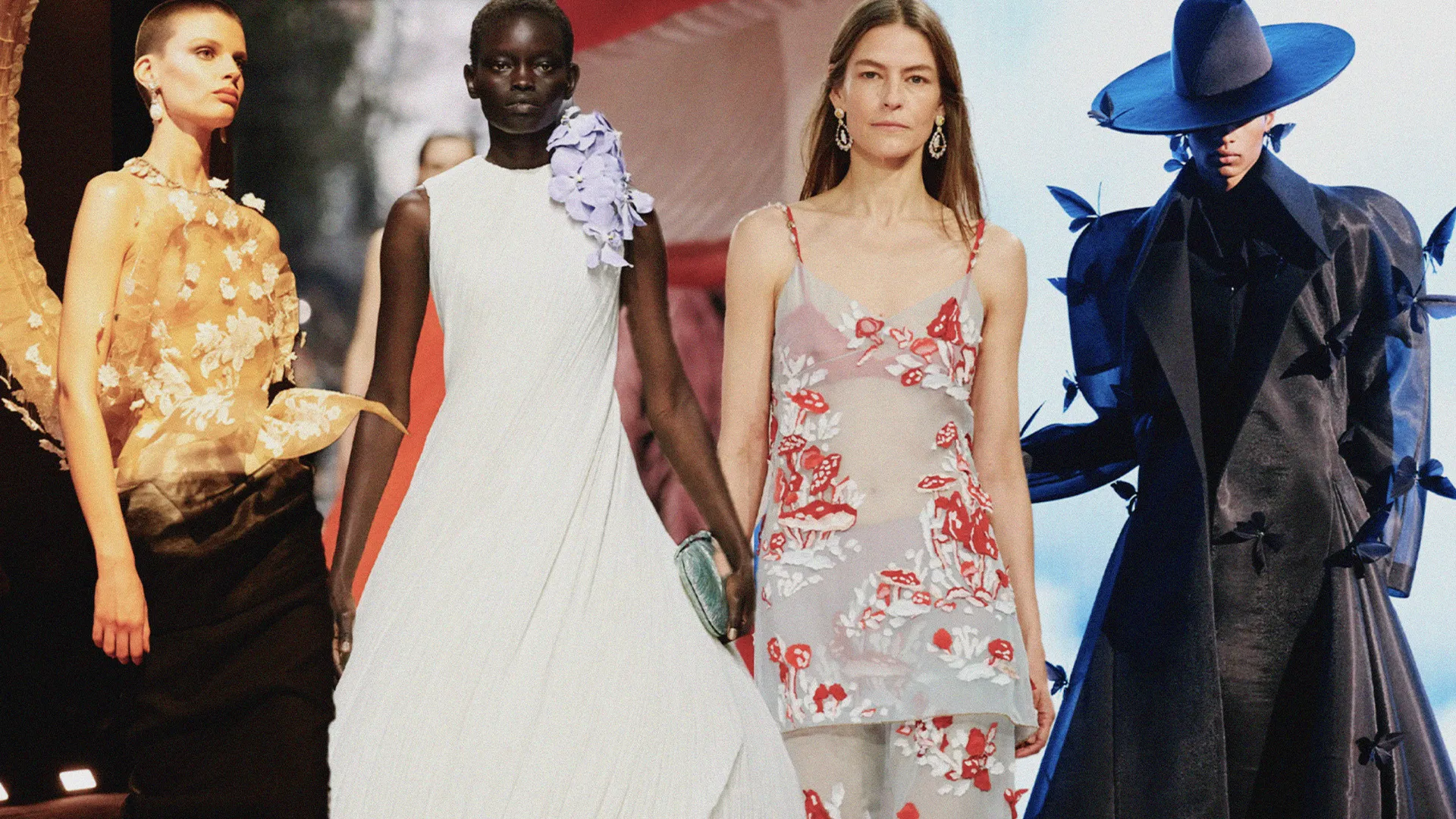
Picture this: I’m wandering the streets of Paris after a long day at the shows, the air still buzzing with that electric mix of perfume and anticipation. The Spring 2026 Couture Season had just wrapped, and I couldn’t shake the feeling that we’d witnessed something special – a return to the roots of fashion where every stitch tells a story. As a lifelong fashion enthusiast who’s chased trends from Milan to New York, this season felt like a breath of fresh air, emphasizing craftsmanship in ways that blended nature’s whimsy with human ingenuity. It’s not just about the clothes; it’s about the hands that craft them, the ateliers humming late into the night, turning fabric into art.
The Essence of Haute Couture in 2026
Haute couture isn’t mass-produced glamour; it’s the pinnacle of personalized luxury, where garments are made to measure with techniques passed down through generations. In Spring 2026, this essence shone brighter than ever, with designers drawing from natural elements to highlight meticulous handwork. Think feathers hand-dyed to mimic bird plumage or organza pleated into ethereal forms that dance with movement. It’s a reminder that in our fast-fashion world, true craftsmanship endures as a quiet rebellion.
Debuts That Defined the Season
New creative directors often bring fresh energy, but this season’s debuts felt like seismic shifts. With houses like Chanel and Dior under new leadership, the runways pulsed with innovation while honoring heritage. These collections didn’t just showcase clothes; they narrated stories of transition and tribute.
Matthieu Blazy’s Chanel: Birds of Paradise
Matthieu Blazy’s first couture outing for Chanel transformed the Grand Palais into an enchanted woodland, complete with oversized mushrooms and willow trees. Birds became the central motif, symbolizing freedom and lightness, with feathers woven into suits and dresses that fluttered like wings in flight. It was poetic, almost childlike in its joy, reimagining the iconic Chanel tweed through translucent layers and whimsical embroidery.
Blazy’s approach reminded me of a trip I took to the French countryside years ago, where watching birds soar inspired a sense of unbound creativity – much like how these pieces evoked effortless elegance.
Jonathan Anderson’s Dior: From Cosmos to Couture
Jonathan Anderson kicked off his Dior tenure with a cosmic bang, evolving into floral odes that celebrated life’s emergence. Architectural silhouettes dominated, with organza embroidered in micro-flowers and temple-like sculptures adding drama. The collection moved from dark stardust tones to vibrant blooms, showcasing couture’s ability to blend structure with softness.
I once sketched a similar floral design during a garden visit, marveling at nature’s precision – Anderson captured that same wonder, making each piece feel alive with hand-embroidered details.
Silvana Armani’s Tribute at Armani Privé
In the wake of Giorgio Armani’s passing, Silvana Armani presented a jade-themed collection that symbolized continuity and serenity. Staged in a historic Parisian palace, it featured heavy embroidery and fluid silhouettes in shades of green, evoking a sense of timeless memory. Crystal embellishments and layered organza created weightless illusions, honoring the maestro while charting a new path.
Reflecting on my own family heirlooms, this show felt deeply personal – like passing a cherished jade necklace down, each piece infused with emotional depth through exquisite craftsmanship.
Natural Inspirations Fueling Craftsmanship
Nature wasn’t just a theme; it was the habitat where craftsmanship thrived. Designers drew from birds, flowers, and even the cosmos, using these as canvases for techniques like pleating, embroidery, and feathering. This season proved that when fashion roots itself in the organic, the results are profoundly human.
Feathers and Freedom: A Recurring Motif
Feathers fluttered across runways, from Chanel’s avian transformations to Schiaparelli’s surreal accents. They represented lightness and movement, hand-applied in gradients that mimicked natural plumage. It’s funny how something as delicate as a feather can demand such intense labor – hours of sorting, dyeing, and sewing to achieve that effortless float.
Transparency and Layering: Revealing the Art
Transparency ruled, with muslin and organza revealing the inner workings of garments like a second skin. At Chanel and Dior, this technique highlighted tailleur and flou ateliers’ skills, blending visibility with mystery. I remember peering through a sheer curtain during a storm; it’s that same allure – layers that tease without fully disclosing.
Floral and Architectural Forms: Blending Soft and Structured
Floral motifs bloomed in 3D embroideries and sculptural shapes, as seen in Dior’s forget-me-nots and Valentino’s petal-inspired gowns. These elements fused softness with bold architecture, requiring precise handwork to balance delicacy and drama. It’s like building a garden sculpture – one wrong petal, and the harmony crumbles.
Standout Collections Beyond the Big Names
While debuts stole headlines, other houses delivered masterful displays of craftsmanship. Schiaparelli’s Sistine Chapel-inspired surrealism and Valentino’s cinematic glamour showcased diverse interpretations of nature’s habitat.
Schiaparelli: Surreal Spectacles
Daniel Roseberry’s collection channeled Michelangelo’s masterpieces, with scorpion tails and peep-hole details adding theatrical flair. Embroideries and crystal work turned bodies into canvases, blending agony and ecstasy in ways that pushed couture boundaries.
Attending a Schiaparelli show once left me breathless – the humor in those exaggerated forms made high fashion feel approachable, yet utterly elite.
Valentino: Cinematic Sculptures
Alessandro Michele’s “Specula Mundi” evoked old Hollywood through a kaiserpanorama lens, with opulent gowns in exotic motifs. Hand-cut lace and resin-encased feathers created sculptural wonders, turning models into moving art pieces.
It brought back memories of watching classic films with my grandmother, where gowns like these stole the scene – pure escapism through craft.
Elie Saab and Others: Refined Elegance
Elie Saab’s “Golden Summer Nights” evoked a golden age with pastel palettes and fluid lines, while Rami Al Ali brought desert breezes through light fabrics. These collections emphasized embroidery and texture, proving craftsmanship’s versatility across cultures.
Comparing Key Designers: A Table of Trends
To break it down, here’s a comparison of major players, focusing on their natural inspirations and craftsmanship highlights:
| Designer | Key Theme | Standout Technique | Color Palette | Notable Piece |
|---|---|---|---|---|
| Chanel (Blazy) | Birds & Freedom | Feather embroidery | Pastels & Reds | Sheer tweed suit with trains |
| Dior (Anderson) | Cosmos to Flora | 3D floral sculpting | Dark to Vibrant | Organza gown with micro-flowers |
| Schiaparelli | Surreal Renaissance | Crystal embellishments | Golds & Neutrals | Scorpion-tailed dress |
| Valentino | Cinematic Exotic | Resin-encased feathers | Bold & Metallic | Pleated metallic ballgown |
| Armani Privé | Jade Serenity | Layered organza | Greens & Neutrals | Embroidered jade jumpsuit |
This table shows how each house interpreted nature uniquely, yet all prioritized handcrafted details.
Pros and Cons of Embracing Couture in Everyday Life
Couture-inspired pieces can elevate wardrobes, but they’re not without trade-offs.
Pros:
- Unmatched quality and longevity from superior materials.
- Personalization fosters emotional connection.
- Supports artisans and sustainable practices.
Cons:
- High cost limits accessibility.
- Delicate fabrics require special care.
- Less practical for daily wear.
Still, incorporating elements like feather accents or floral prints can bring that magic home without breaking the bank.
People Also Ask: Common Queries on Spring 2026 Couture
Drawing from popular searches, here are real questions buzzing online:
- What were the highlights of the Spring 2026 Couture Season? Debuts at Chanel and Dior stole the show, with natural motifs like birds and flowers dominating.
- What trends emerged from Paris Couture Week 2026? Feathers, transparency, mint green, and architectural silhouettes were key.
- Who are the new creative directors making waves? Matthieu Blazy at Chanel, Jonathan Anderson at Dior, and Silvana Armani at Armani Privé.
- How does craftsmanship play into these collections? Through hand-embroidery, pleating, and custom fabrics that echo nature’s precision.
Where to Get Couture-Inspired Pieces
For those eyeing transactional vibes, navigate to official house sites like Chanel.com or Dior.com for ready-to-wear lines echoing couture. Affordable alternatives abound at retailers like Zara or H&M, offering feather-trimmed blouses or floral dresses. For authentic experiences, visit Paris ateliers via guided tours – book through Viator.
Best Tools for Following Fashion Trends
Stay ahead with apps like Vogue Runway for live streams or Pinterest for visual boards. For deeper dives, subscribe to WWD or Harper’s Bazaar. Tools like Google Alerts for “haute couture trends 2026” keep you notified, while Instagram hashtags like #Spring2026Couture offer real-time insights.
What Is Haute Couture, Really?
Informational at its core, haute couture refers to custom-fitted clothing made by hand in Paris ateliers, regulated by the Chambre Syndicale. It’s about exclusivity – only a few houses qualify, ensuring top-tier craftsmanship. In 2026, it evolved to embrace sustainability, using eco-friendly dyes in natural-inspired designs.
The Emotional Pull of Craftsmanship
There’s something deeply moving about watching a model glide in a gown that’s taken hundreds of hours to create. It tugs at the heartstrings, reminding us of human potential. I once met an embroiderer in Lesage who shared how each bead carries intention – this season captured that spirit beautifully.
Challenges and Future of Couture
Amid economic shifts, couture faces accessibility issues, but its focus on timeless pieces counters fast fashion’s waste. Looking ahead, expect more tech integration, like 3D-printed elements blending with traditional crafts.
FAQ: Your Burning Questions Answered
What made Spring 2026 Couture unique?
The emphasis on natural habitats and debuts brought fresh narratives, blending innovation with heritage craftsmanship.
How can I incorporate these trends affordably?
Opt for high-street dupes: feather earrings from Etsy or floral prints from ASOS mimic the looks without the price tag.
Is couture sustainable?
Increasingly yes – many houses used organic fabrics and ethical sourcing this season, reducing environmental impact.
Where to watch full shows?
YouTube channels like Vogue or official brand sites host videos; for live, follow Paris Fashion Week schedules.
Why focus on nature?
It grounds fashion in reality, allowing craftsmanship to shine through organic forms that feel authentic and inspiring.
In wrapping up, the Spring 2026 Couture Season wasn’t just a parade of pretty dresses; it was a testament to craftsmanship thriving in its natural habitat. From Blazy’s birds to Anderson’s blooms, each collection whispered stories of dedication and dreams. As I sip that espresso, I can’t help but smile – fashion, at its best, connects us all through threads of beauty and humanity.

Leave a Reply